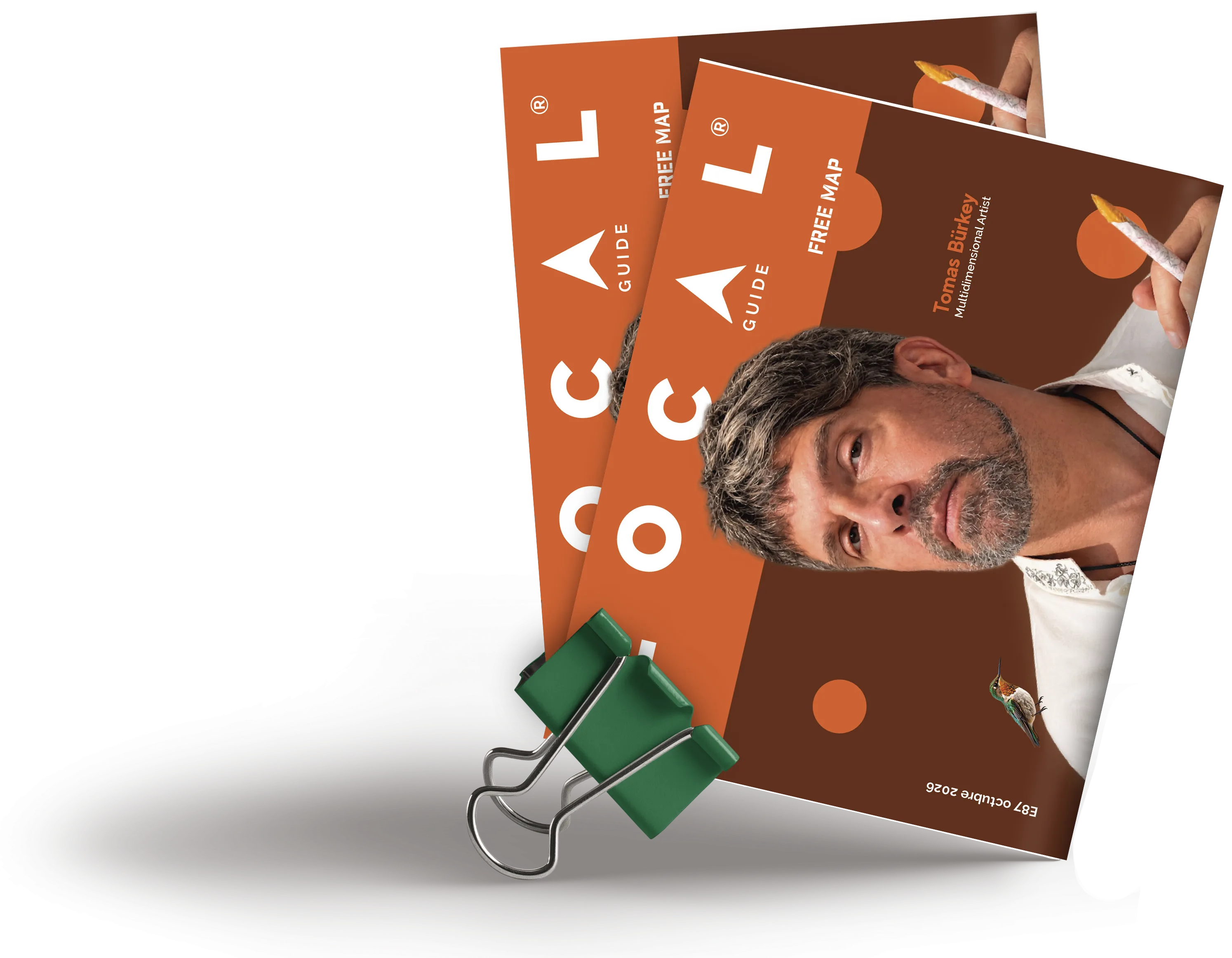
On The Cover: PATRICIO ESPINOZA – THE GUARDIAN OF SAN MIGUEL'S TRADITIONS

Preserving San Miguel's traditions is a cause deeply cherished by Patricio Espinoza, who has been an active participant in them since the 1970s, passing his love for these celebrations from one generation to the next.
It all began when Don Patricio was a child and his family would take him to dance in the Desfile de Los Locos (Parade of the Crazies). He danced joyfully and instinctively, without truly understanding the meaning behind the celebration or whom this colorful tradition honored. As the years went by, however, he gradually became more involved, and what had once been a childhood pastime grew into one of his greatest passions and one of San Miguel's most beloved traditions.

What started as an innocent dance eventually became a way of life. Today, Don Patricio maintains a busy calendar throughout the year, dedicating himself to preserving the customs that define the cultural identity of San Miguel.
His year begins in January, when he participates in the Torchlight Parade honoring the birthday of Don Ignacio Allende. In February, he joins the celebrations of Candlemas (La Candelaria). March brings the festivities of Señor de la Conquista, along with the procession of the San Josesitos, which concludes at the Oratorio Temple.

In April comes Viernes de Dolores (Friday of Sorrows), when Don Patricio helps decorate altars, fountains, and the traditional flower carpets alongside fellow volunteers. May is dedicated to the celebrations of the Holy Cross (Santa Cruz), during which he visits various neighborhoods to support friends and fellow tradition keepers in El Valle and Colonia San Rafael.

Also in May, on the 17th, the celebration of San Pascual Bailón takes place. The energetic dances begin in Los Chorros, forming an essential part of the famous Desfile de Los Locos tradition.

June is dedicated to the feast of Saint Anthony of Padua (San Antonio de Padua), a celebration that has grown tremendously over the years and now attracts participants from many regions of Mexico as well as visitors from around the world.
In July, Don Patricio joins the annual Pilgrimage to the Sanctuary of Atotonilco alongside Don Emigdio Ledesma of La Aurora. Then, in August, the symbolic little bull (torito) appears during the Reseña de la Fiesta del Señor San Miguel, another beloved local tradition.

September is one of the busiest months of the year. As San Miguel is considered the cradle of Mexico's Independence movement, the city comes alive with patriotic celebrations. Don Patricio considers this the best time to visit, as visitors can experience the Cry of Independence (El Grito) at City Hall, along with the arrival of the Insurgents.

Toward the end of the month, the city celebrates La Alborada de San Miguel, when the night sky is illuminated by countless fireworks and dazzling displays, filling the streets with excitement and joy as locals gather to celebrate together.
October brings the cherished Day of the Dead (Día de Muertos) festivities, featuring beautifully crafted traditional altars as well as the now-popular parade of calacas and catrinas, which has become an important addition to the city's celebrations.


To close out the year, December is marked by the traditional Posadas, during which Don Patricio makes a special effort to teach the traditional songs to younger generations, ensuring they are never forgotten.
Don Patricio firmly believes that the future of San Miguel's traditions rests in the hands of its youth. Although he worries that children and young people are increasingly immersed in technology, he remains optimistic that these customs will continue to spark their interest. He trusts they will find new ways to embrace and preserve these traditions, ensuring they endure for generations to come. In doing so, he hopes to be remembered with affection—not only as a passionate participant, but as someone who devoted his life to safeguarding the cultural heritage of San Miguel.